Instant confirmation
Me Usman Toseef
Neuchâtel · Family law
CHF 10.–/h
No reviews yet
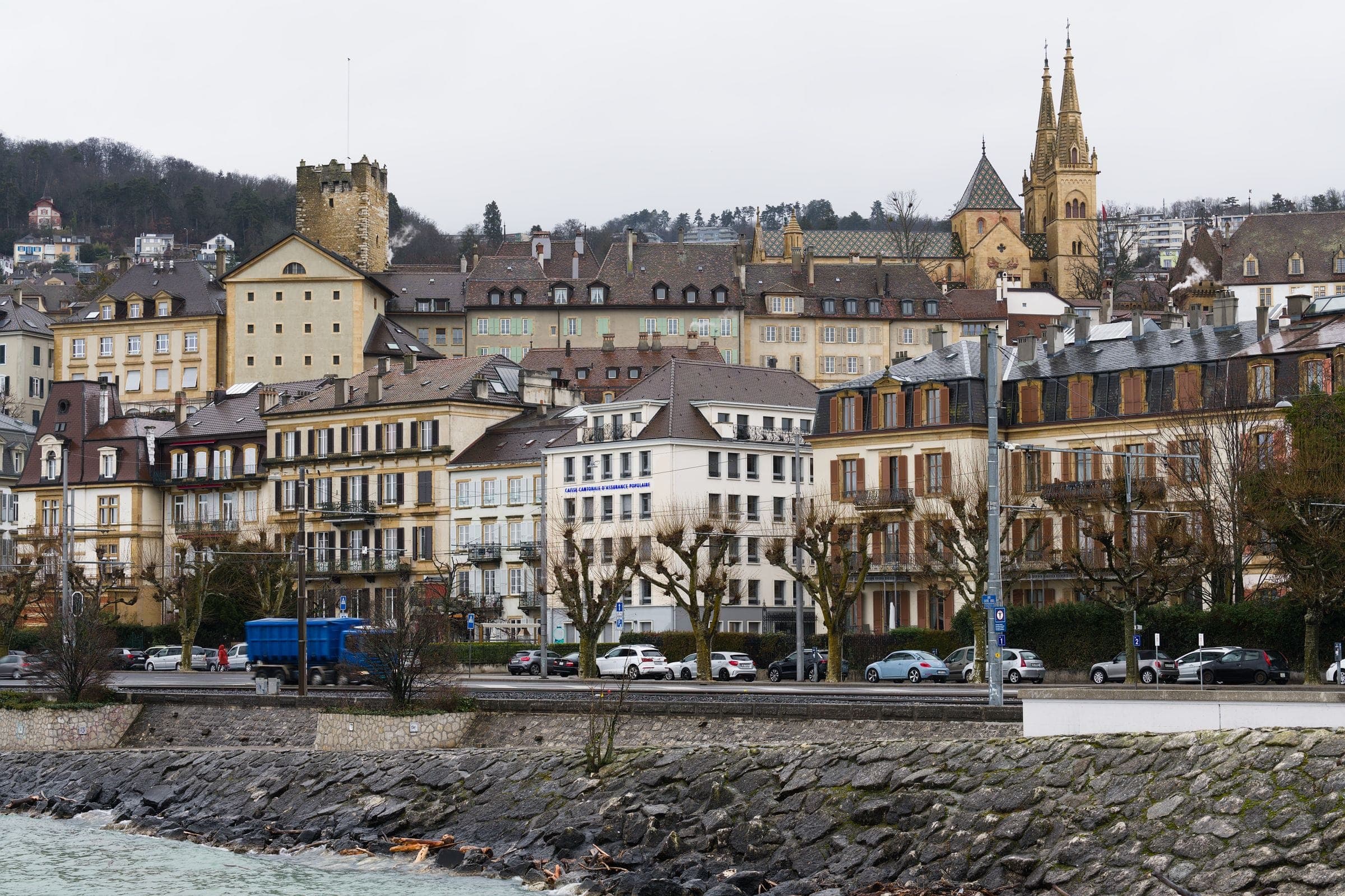
Find a verified lawyer or legal adviser in Neuchâtel, and see straight away which Neuchâtel authority handles your case.
Neuchâtel lies in the canton of Neuchâtel, in the canton of Neuchâtel.
Neuchâtel lies in the canton of Neuchâtel, in the canton of Neuchâtel.
The lakeside capital of the canton, Neuchâtel is home to the cantonal court, whose Cour de droit public du Tribunal cantonal (public law division of the cantonal court) decides administrative appeals. At first instance, civil, family, criminal and employment cases go to the Tribunal d’instance (first-instance court), in its Littoral and Val-de-Travers region. A tenancy dispute starts with the conciliation attached to the same court, and criminal investigations are led by the Ministère public (public prosecutor) for the whole canton.
A university and administrative town on the lake, close to Biel and Bern, Neuchâtel also draws residents from German-speaking Switzerland and abroad. On ora., every lawyer is checked against a cantonal register of lawyers and every legal adviser holds a Swiss law degree. You compare practice areas, languages and fees, then book an appointment with a Neuchâtel law firm or by video.
Nearest first: offices in Neuchâtel, then the district and the canton, then those who meet by video call in your language.
See all practitionersElsewhere in the canton of Neuchâtel1 practitioner
Instant confirmationNeuchâtel · Family law
CHF 10.–/h
No reviews yet
By video call, anywhere in Switzerland2 practitioners
Neuchâtel · Commercial law
CHF 140.–/h
No reviews yet
Genève · Commercial law
CHF 350.–/h
No reviews yet
Before you consult, it helps to know who decides. These are the competent authorities for Neuchâtel, each with its official website.
Source: Federal Statistical Office (FSO), swisstopo
Source: Federal Statistical Office (FSO), swisstopo
Tenancy
In the canton of Neuchâtel, tenancy conciliation is attached to the Tribunal d’instance (first-instance court): a judge sits with one representative of landlords and one of tenants. Rent increase, defects, termination or deposit: the hearing looks for an agreement. If conciliation fails, an authorisation to proceed lets you take the case to the judge. A landlord and tenant lawyer helps you meet time limits that are often short.
Competent authority
Tribunal d’instance (conciliation en matière de bail)
Serves: the whole canton
Related situations
Work
Disputes under an employment contract also go to the Tribunal d’instance (first-instance court), which normally begins with an attempt at conciliation. Contested dismissal, unpaid wages, overtime or a work certificate: the venue depends on where the employer is based or where you usually work, which matters for the canton’s many cross-border commuters. Before acting, an employment lawyer checks your documents and the time limits.
Competent authority
Tribunal d’instance
Serves: the whole canton
Related situations
Family
Separation, divorce, custody or maintenance go at first instance to the Tribunal d’instance (first-instance court), which is organised in two regions: the Littoral and Val-de-Travers on one side, the Montagnes and Val-de-Ruz on the other. A family lawyer reviews your options, the documents to gather and whether an agreement is possible before any proceedings begin.
Competent authority
Tribunal d’instance
Serves: the whole canton
Related situations
Criminal
A criminal complaint, a summons for questioning or a penalty order: the investigation is led by the Ministère public (public prosecutor), which covers the whole canton. If the case goes to trial, the Tribunal d’instance, sitting in criminal matters, decides at first instance. The time limit to object to a penalty order is very short, so whether you are accused or a victim, see a criminal lawyer without delay.
Competent authority
Ministère public
Serves: the whole canton
Related situations
Legal aid
If you cannot afford the costs of proceedings, you can apply for legal aid. In the canton of Neuchâtel, the application goes to the authority that is or will be hearing the case, such as the Tribunal d’instance. Legal aid can exempt you from court costs and allow a lawyer to be appointed for you. A practitioner can tell you whether your situation qualifies and help you gather the supporting documents.
Competent authority
Legal aid (application to the authority hearing the case)
Serves: the whole canton
One panel for each area in which verified practitioners work in the canton of Neuchâtel. Other areas remain available by video call.
Nobody in the canton is registered for these areas yet. Practitioners from elsewhere can meet you by video call.
Six common situations in the areas where most practitioners work in the canton of Neuchâtel.
Pricing on ora.
Each practitioner sets their own fees and shows them on their profile before you book. You pay ora., which collects on the practitioner’s behalf; ora. charges its service fee on a separate line.

We keep the name of the register and the date of every check.
Local answers, checked against official sources. A practitioner can look at your situation in detail.
See all questionsAt first instance, the Tribunal d’instance (first-instance court) hears civil, family, criminal and employment cases, through its Littoral and Val-de-Travers region for the city of Neuchâtel. Appeals against administrative decisions go to the Cour de droit public du Tribunal cantonal. Your lawyer explains the procedure and represents you.
Tenancy conciliation is attached to the Tribunal d’instance: a judge sits there with one representative of landlords and one of tenants. The hearing looks for an agreement; if it fails, an authorisation to proceed is issued. Rent increase, defects or notice to quit: a landlord and tenant lawyer helps you draft the application and meet the time limits.
Yes. The canton has a single Tribunal d’instance, organised in two regions. Boudry, the Béroche and the Val-de-Travers belong, like the city of Neuchâtel, to the Littoral and Val-de-Travers region. The Val-de-Ruz, on the other hand, is attached to the Montagnes region, along with La Chaux-de-Fonds and Le Locle.
To the Tribunal d’instance, which also handles employment disputes and normally begins with an attempt at conciliation. The venue is where the employer is based or where you usually work. Dismissal, unpaid wages or a work certificate: an employment lawyer checks your documents and the time limits before writing to the employer.
Each practitioner sets their own fees, and the rates of lawyers available in Neuchâtel are shown live on this page and on every profile before you book. ora.’s service fee appears on a separate line and is never added into the fee, and you pay the practitioner directly. If your means are limited, legal aid is requested from the authority that is or will be hearing the case.
Next step
Choose an area of law: the directory opens on the practitioners who work near you.
Local answers, checked against official sources. A practitioner can look at your situation in detail.
See all questionsAt first instance, the Tribunal d’instance (first-instance court) hears civil, family, criminal and employment cases, through its Littoral and Val-de-Travers region for the city of Neuchâtel. Appeals against administrative decisions go to the Cour de droit public du Tribunal cantonal. Your lawyer explains the procedure and represents you.
Tenancy conciliation is attached to the Tribunal d’instance: a judge sits there with one representative of landlords and one of tenants. The hearing looks for an agreement; if it fails, an authorisation to proceed is issued. Rent increase, defects or notice to quit: a landlord and tenant lawyer helps you draft the application and meet the time limits.
Yes. The canton has a single Tribunal d’instance, organised in two regions. Boudry, the Béroche and the Val-de-Travers belong, like the city of Neuchâtel, to the Littoral and Val-de-Travers region. The Val-de-Ruz, on the other hand, is attached to the Montagnes region, along with La Chaux-de-Fonds and Le Locle.
To the Tribunal d’instance, which also handles employment disputes and normally begins with an attempt at conciliation. The venue is where the employer is based or where you usually work. Dismissal, unpaid wages or a work certificate: an employment lawyer checks your documents and the time limits before writing to the employer.
Each practitioner sets their own fees, and the rates of lawyers available in Neuchâtel are shown live on this page and on every profile before you book. ora.’s service fee appears on a separate line and is never added into the fee, and you pay the practitioner directly. If your means are limited, legal aid is requested from the authority that is or will be hearing the case.